
Why Smart Modular Design Is the Future of Infrastructure — And What DST Projects Can Learn From It
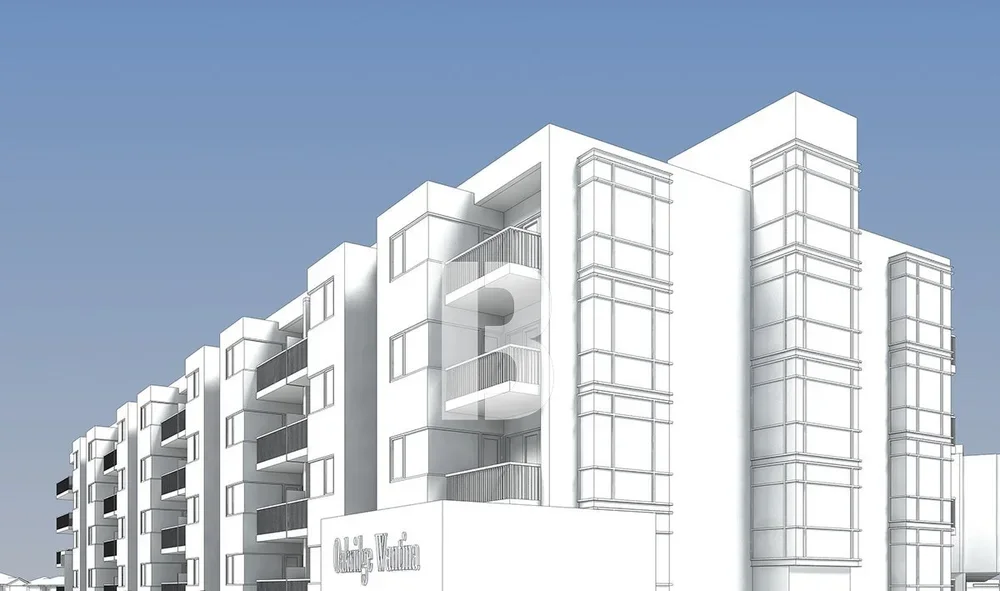
The way we build living spaces, offices, and commercial infrastructure is changing fast. As urbanization accelerates, environmental concerns rise, and labor & materials costs surge, traditional construction methods are reaching their limits. The buzzword gaining momentum worldwide — modular construction. While Modular building (prefabricated/prefab construction) hasn’t yet become central to DST Projects’ publicly advertised services, the global shift suggests a promising direction for companies like DST to evolve.
What Is Modular Construction — And Why It Matters
Modular building involves manufacturing sections (“modules”) in a factory setting — where each module may include structural elements, electrical wiring, plumbing, interior finishes — before transporting them to the site and assembling them. This approach dramatically reduces on-site construction time, improves quality (due to factory control), minimizes waste, and often costs less in the long run.
Because many aspects are pre-built, concurrent work (foundation + module fabrication) can happen — reducing project timelines by as much as 30–50%.
Modular buildings are versatile: they can be used for housing, student dormitories, hospitals, offices, temporary accommodation, factories, and more.
Challenges — But Not Deal-breakers
Adopting a modular approach isn’t without challenges. Initial investment in plants, equipment, transportation & logistics can be high. Clients and industry professionals may resist change because traditional construction is the norm. Also, transporting and storing large modules before assembly can require significant space and planning.
Nevertheless, as technology advances and acceptance grow, many of these obstacles are becoming manageable, especially for developers with large-scale or repeatable projects (e.g. housing complexes, senior homes, student housing, offices).
Why a Company Like DST Projects Could Benefit from Modular Adoption
Faster Delivery & Time Efficiency: Modular construction could help DST shrink timelines further — a benefit for clients looking for quick turnarounds.
Quality Control & Consistency: Factory-built modules undergo quality checks in controlled environments, which could complement DST’s existing quality-management practices.
Scalability: For townhouse complexes, multi-unit housing or commercial projects, modular methods allow mass production of building segments with consistent standards — aligning with DST’s project-management model.
Sustainability & Waste Reduction: Prefab modules often generate less waste, reduce on-site disruption, and use materials efficiently — aligning with the sustainable-building values DST already promotes.
Cost Effectiveness (Long Term): While initial costs may be higher, modular construction often reduces labor cost overruns, rework, and long project-management overhead — potentially improving margins for both builders and clients.
Looking Ahead — What DST Could Explore
To stay ahead in the evolving construction landscape, DST Projects could:
Explore partnerships with modular-construction firms or set up in-house prefab capabilities.
Offer modular-based options for clients seeking faster delivery and modern, sustainable builds.
Develop hybrid models — e.g. partially modular + partially traditional — to balance customization and speed.
Market modular solutions for multi-unit apartments, townhouses, student housing, and commercial buildings — where modular brings scale and consistency.
Conclusion – Modular: Not the Future, but the Present of Smart Construction
Modular construction is no longer an experimental concept: worldwide, it is being adopted as a practical, efficient — and often superior — alternative to traditional methods. For a company like DST Projects, which already values efficiency, quality, professionalism, and sustainability, modular building offers a logical next step.
By embracing modular design and prefabrication, DST could deliver faster, more reliable, and environmentally responsible construction — redefining modern infrastructure and setting new standards in the industry.